seasonal allergies
SUPPORTING YOUR IMMUNE SYSTEM
SUPPORTING YOUR IMMUNE SYSTEM

written by
Brooke Whitman-Roberts
Wellness Manager
Pollen season now starts about three weeks earlier than it did 30 years ago, which means more intense symptoms who those of us who deal with seasonal allergies. When pollen from trees, grasses, and weeds triggers the immune system, it can lead to sneezing, sniffles, itchy eyes, and coughing. There are many ways to ease allergy symptoms such as staying indoors on high‑pollen days, showering and changing after being outside, wearing sunglasses, and supporting your health with a balanced diet and supplements.
Allergies & Immunity
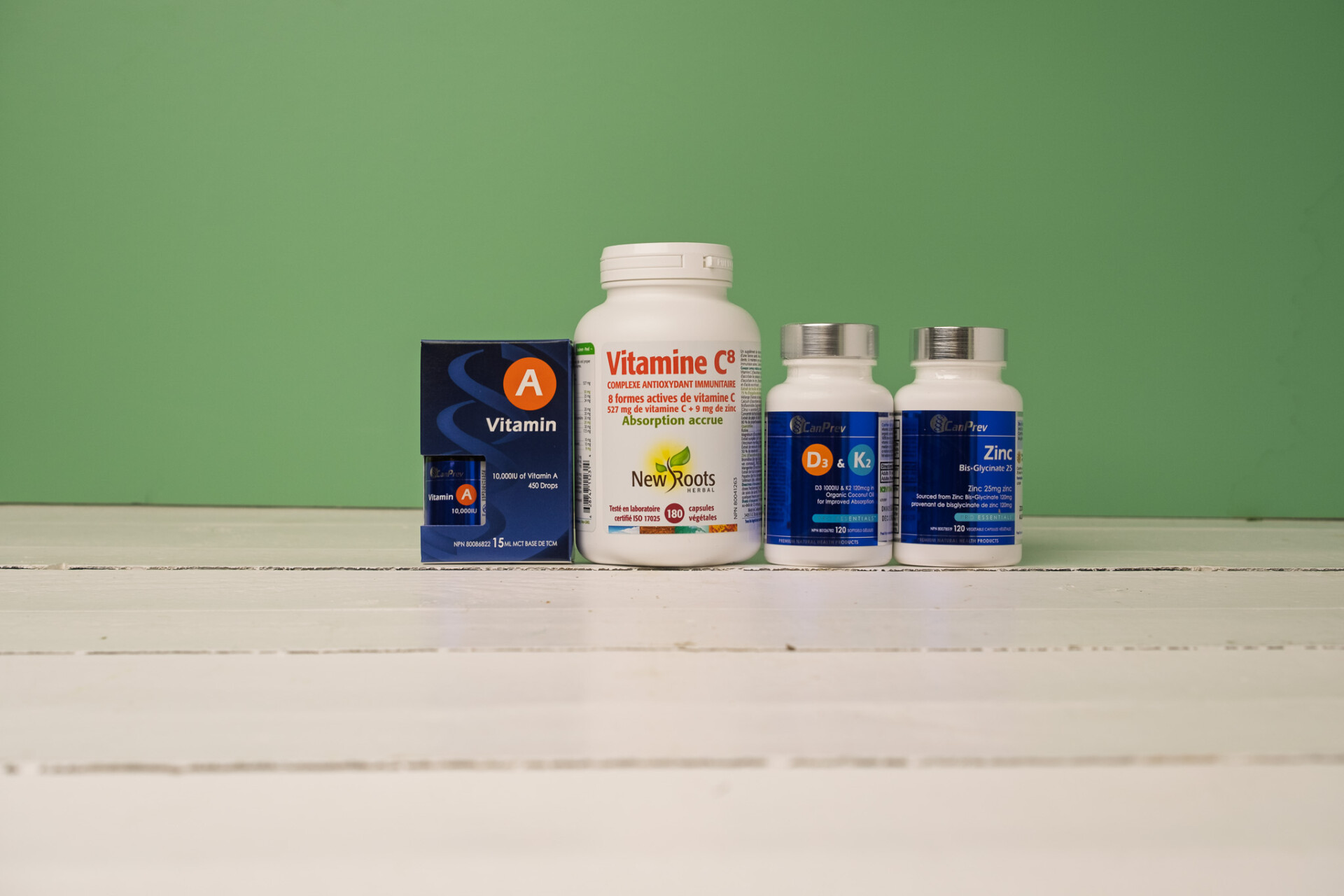
The immune system and allergies are tightly connected because allergy symptoms happen when the immune system overreacts to harmless substances like pollen, treating them as threats. This reaction triggers the release of histamine, which leads to sneezing, itching, and congestion. Certain nutrients can support normal immune function, which may help the body respond more appropriately. Zinc plays a role in immune cell development and helps maintain the body’s natural defenses. Vitamin A supports the health of mucous membranes, including those in the nose and lungs, which act as the body’s first line of defense. Vitamin D is involved in regulating immune responses, and low levels have been linked to increased sensitivity to allergens. Vitamin C acts as an antioxidant and supports normal immune function.
Cleansing
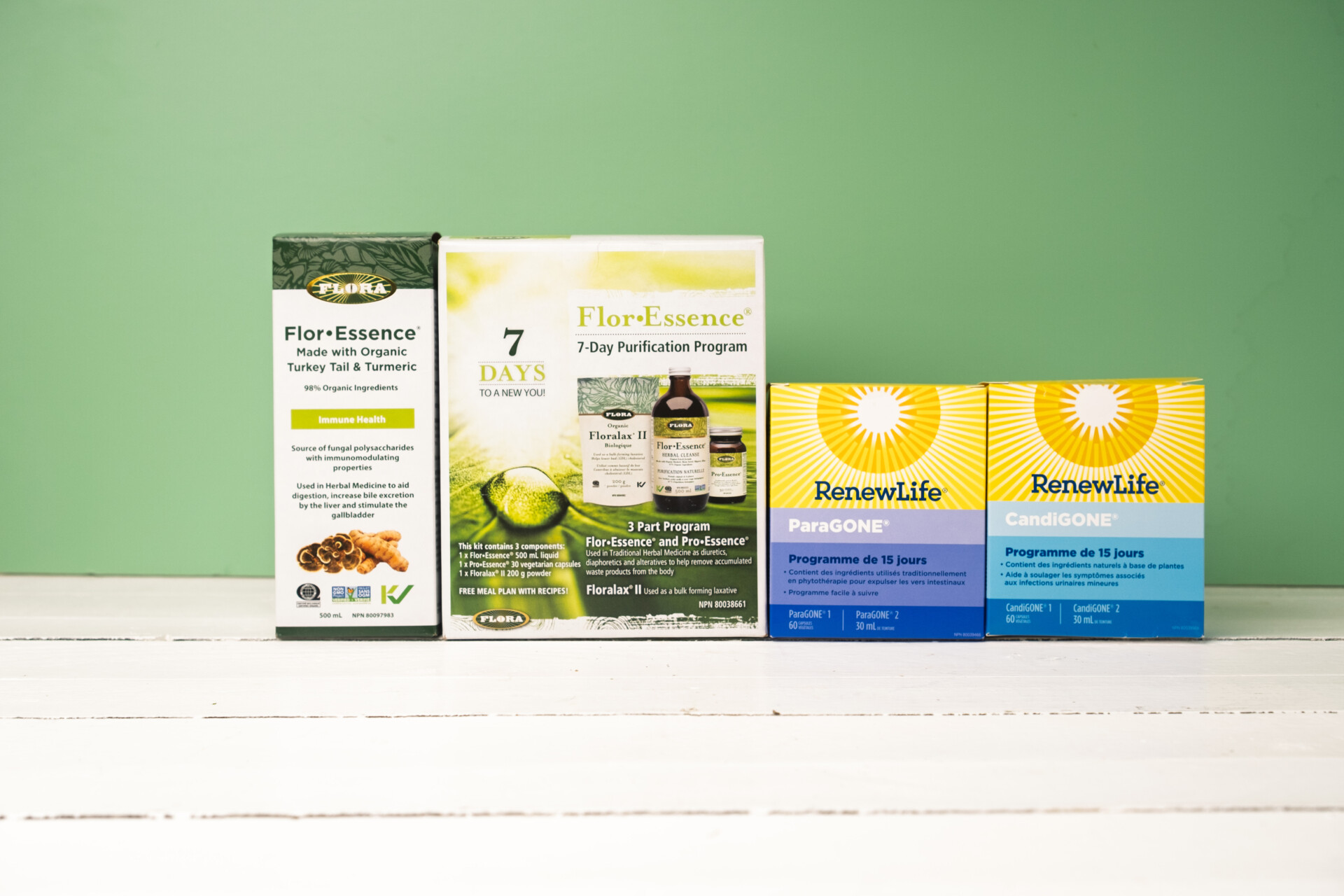
Cleansing can be helpful for allergy sufferers because it supports the body’s natural detoxification systems, which play a role in how the immune system responds to allergens. When the liver, lymphatic system, and digestive tract are working efficiently, the body is better able to process and eliminate irritants, reducing the overall burden on the immune system. This can make reactions to pollen and other allergens feel less intense. Both Candida overgrowth and intestinal parasites can worsen allergy symptoms in some people because they disrupt the gut–immune balance, increase inflammation, and can shift the immune system toward allergy‑prone pathways. Gentle cleansing practices like staying hydrated, eating whole foods, and supporting regular digestion can help the body maintain balance during high‑pollen seasons.
Gut Health
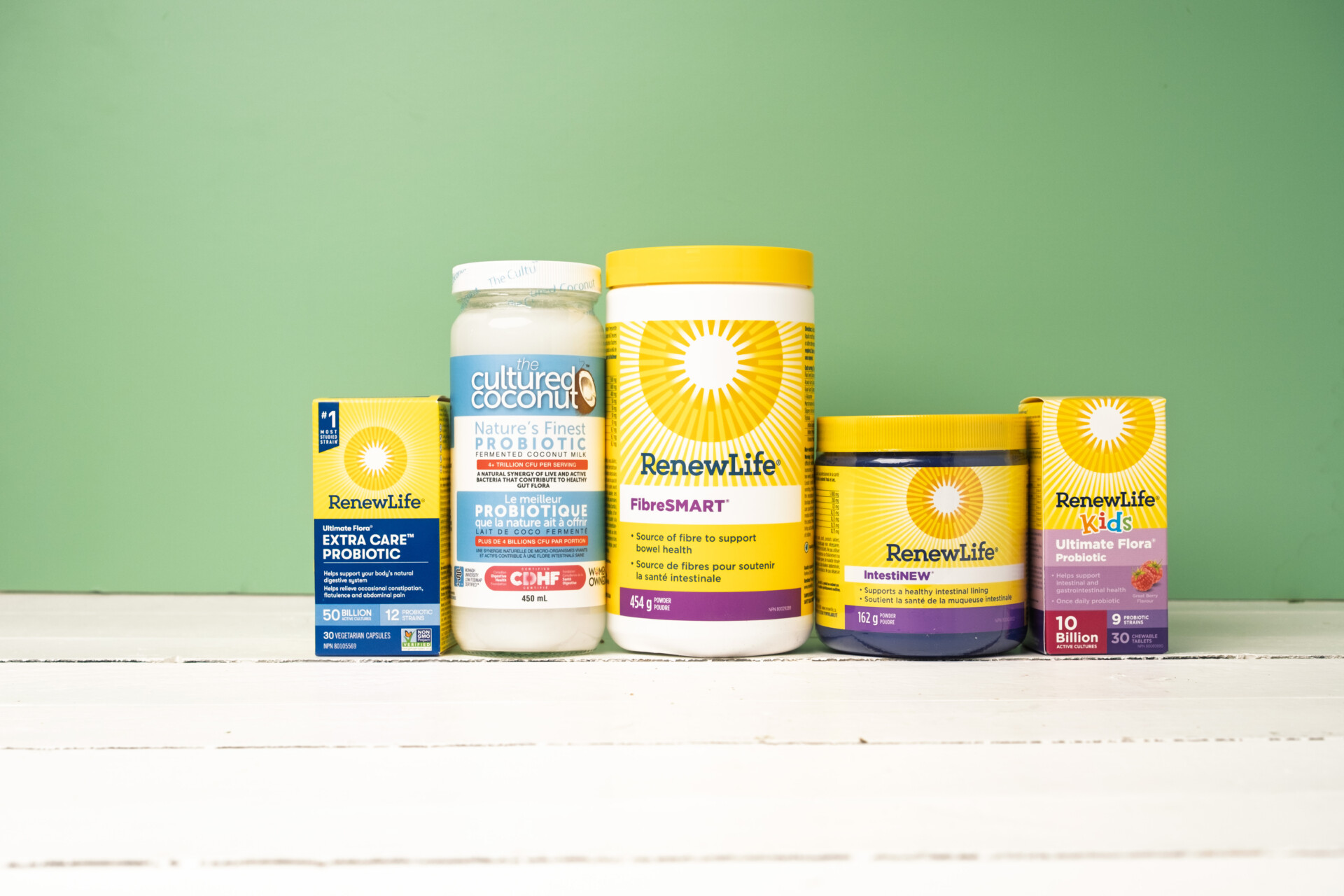
A healthy gut plays a major role in how the body handles allergies because much of the immune system lives in the digestive tract. When gut flora are balanced, they help regulate immune responses and reduce the likelihood of overreacting to harmless substances like pollen. Probiotics can support this balance by introducing beneficial bacteria, while fibre-rich foods act as fuel for these microbes and help them thrive. A strong, well‑nourished gut lining also matters, since increased permeability can contribute to heightened immune sensitivity. Together, diverse gut flora, adequate fibre, probiotics, and a resilient gut lining help support a calmer, more balanced immune response during allergy season.
Histamine Support
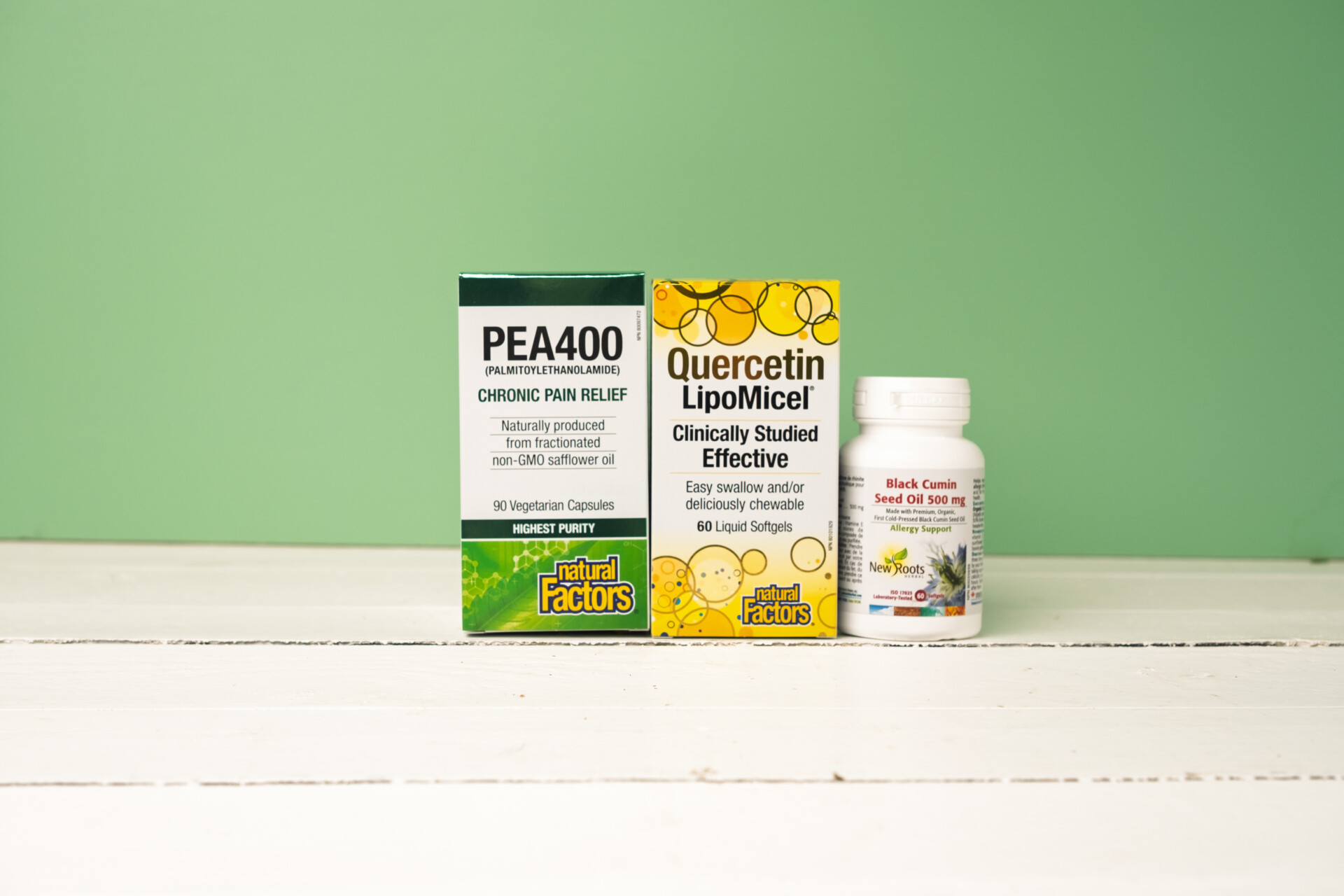
Black cumin seed oil, quercetin, and PEA each help support a healthier histamine response. Black cumin seed oil provides compounds like thymoquinone that help modulate immune activity, which can reduce how intensely the body reacts to allergens. Quercetin is well known as a natural mast‑cell stabilizer, helping prevent those cells from releasing excess histamine in the first place. PEA (palmitoylethanolamide) also supports mast‑cell stability while calming overactive inflammatory signaling through the endocannabinoid system. While none of these nutrients block histamine outright, each one helps the body maintain a more balanced, less reactive response to environmental triggers.
Antioxidants
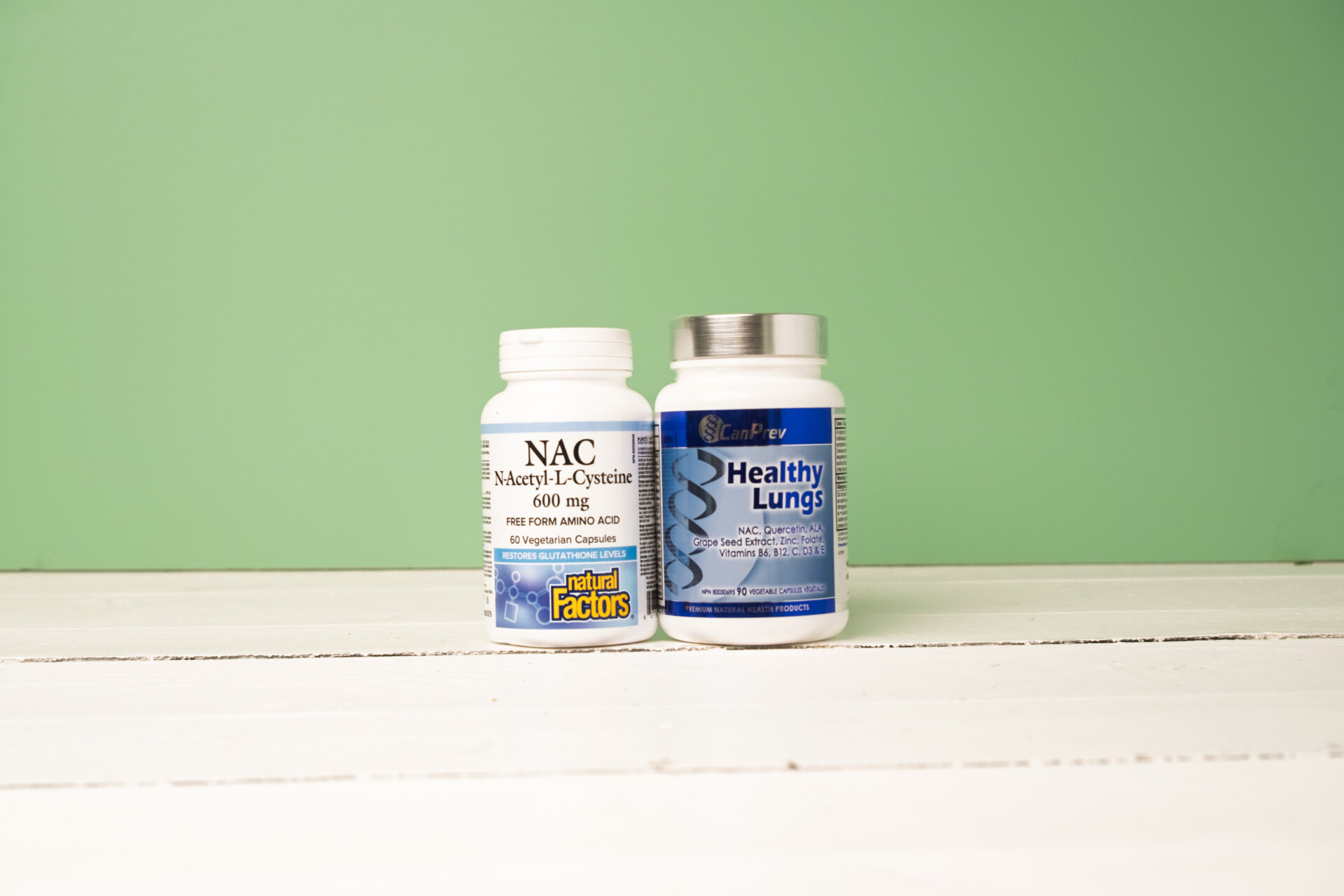
Antioxidants like NAC and the blend of nutrients in CanPrev Healthy Lungs can be especially helpful for allergy sufferers because they target the oxidative stress and airway irritation that make allergic reactions feel worse. During an allergic response, the body produces a surge of inflammatory molecules and free radicals, which can irritate the respiratory tract and thicken mucus. NAC helps by replenishing glutathione, the body’s master antioxidant, and by acting as a mucolytic, breaking apart the disulfide bonds in mucus so it becomes thinner and easier to clear. CanPrev Healthy Lungs builds on this by combining NAC with other antioxidants like vitamin C, quercetin, alpha‑lipoic acid, grape seed extract, and zinc, all of which help neutralize free radicals and support immune balance. Together, these nutrients help reduce the oxidative stress, mucus buildup, and airway irritation that make allergy symptoms more intense.
Superfood Support
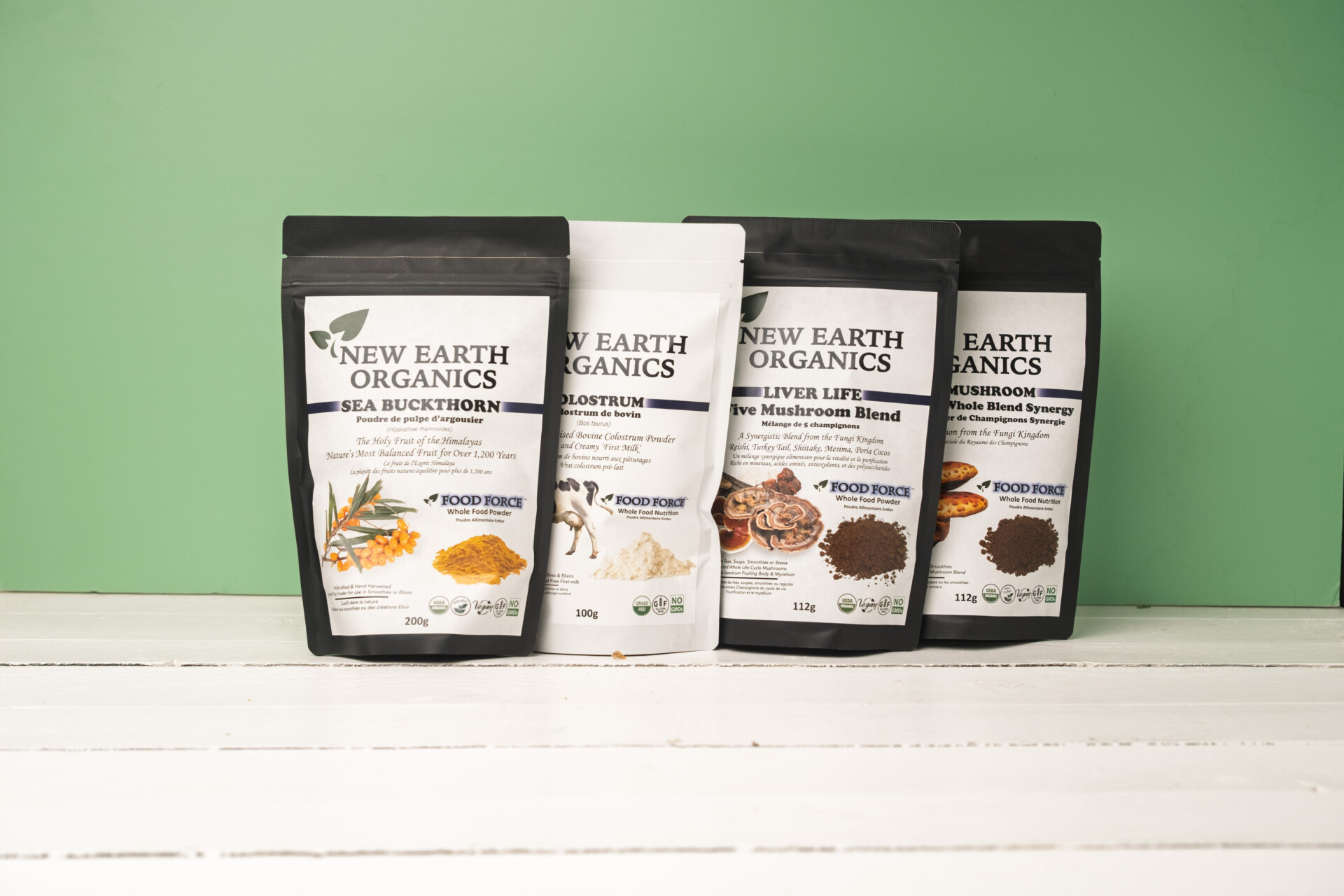
Superfood powders like colostrum, sea buckthorn, and medicinal mushrooms can offer meaningful support for allergy sufferers because they influence the immune system in ways that help reduce over reactivity. Colostrum provides immune-regulating compounds that help strengthen the gut barrier, an important factor since a calmer, less permeable gut can reduce systemic immune activation. Sea buckthorn is rich in antioxidants and anti‑inflammatory phytonutrients that help soothe irritated tissues and may reduce the oxidative stress that accompanies allergic responses. Medicinal mushrooms contribute another layer of support: reishi has been shown to help modulate immune activity and reduce histamine release from mast cells, while shiitake and turkey tail contain beta‑glucans and other polysaccharides that help balance immune signaling and reduce inflammation. These superfoods can help the body respond to allergens with less intensity by supporting gut integrity, calming inflammation, and promoting a more balanced immune response. These convenient powders are a great addition to a smoothie.
Additional Support
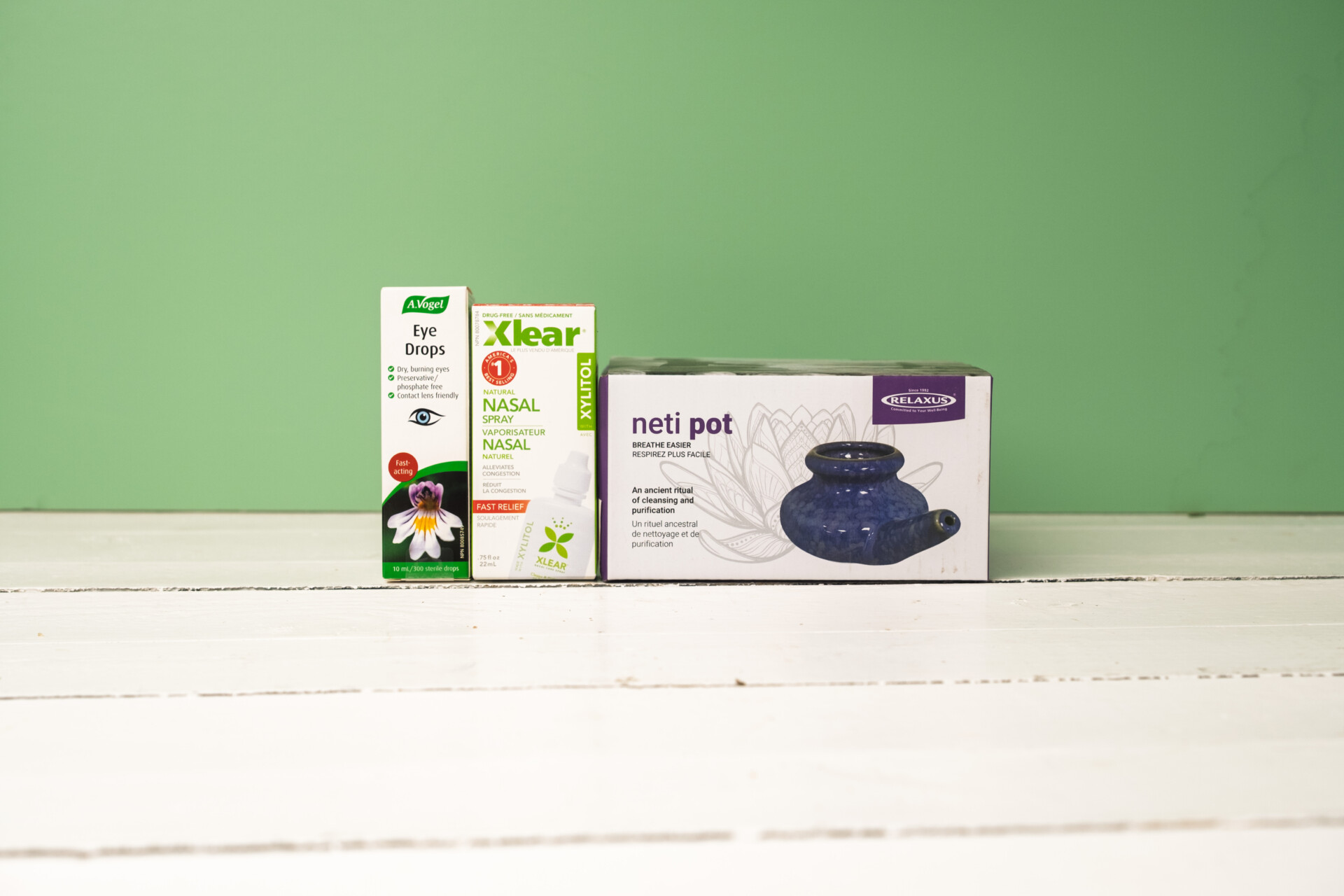
Nasal rinses and sprays as well as eye drops can help in easing allergy symptoms by supporting the nose–sinus–eye pathway where allergens tend to accumulate. Rinsing with a neti pot helps flush out pollen, dust, and mucus while calming nasal inflammation. Xylitol nasal sprays add another layer of support by moisturizing irritated tissues and helping reduce the ability of allergens and microbes to stick to nasal surfaces. Eyebright‑based eye drops can soothe itchy, watery, or irritated eyes by gently calming surface inflammation.
Together, these approaches help ease the overall irritation that allergy sufferers often experience.

For more support, stop by your Wellness Department and speak with our knowledgeable team.

 True Local Spotlight: Kootenay Bakery Cafe Co-op