How Probiotics Work
Supporting your microbiome
Supporting your microbiome

written by
Brooke Whitman-Roberts
Wellness Manager
If you’ve spent any time on social media lately, you’ve probably seen claims that probiotics are “a waste of money” because they don’t permanently colonize the gut. While there is a grain of truth in this statement, it misses a much bigger and more fascinating picture of how probiotics work. Probiotics were never meant to permanently replace your native gut microbiome. Instead, they act as beneficial visitors that can influence the gut environment, communicate with the immune system, and support the health of your existing microbial community.
The reality is that both probiotic foods and well-formulated probiotic supplements can provide meaningful benefits when used appropriately. The key is understanding how they work and creating an environment where beneficial microbes can thrive.
Jump to:
How they work | Beyond live bacteria | Fibre | Enzymes | Omega-3s | Stress | Everyday habits
Every person has a unique collection of microorganisms living within their digestive tract, often referred to as the gut microbiome. These trillions of bacteria, fungi, and other microbes help with digestion, nutrient production, immune regulation, mood, and maintaining the integrity of the gut lining.
Think of your native microbiome as a bustling city. The microorganisms that naturally reside there are the permanent residents. They have established homes, relationships, and roles within the community.
Probiotics from food or supplements, on the other hand, are more like highly skilled tourists or temporary consultants. They may not move into the city permanently, but while they’re there, they can positively influence the neighbourhood, interact with the locals, and leave things better than they found them.
One of the most common misconceptions about probiotics is that if they don’t permanently colonize the gut, they must not be doing anything.
Probiotics can exert beneficial effects even while passing through the digestive system. During their stay, they compete with undesirable microbes for space and nutrients, produce beneficial compounds, and interact directly with cells lining the digestive tract. They can influence the activity of resident bacteria and help shape the environment in ways that favour beneficial species. Let’s explore how they do this.
One of the most important functions of many probiotic strains is their ability to modify the gut environment.
Beneficial bacteria ferment carbohydrates and fibres to produce compounds such as lactic acid and short-chain fatty acids (SCFAs), including acetate, propionate, and butyrate. These compounds, often referred to as postbiotics, help maintain a healthier intestinal environment and can make conditions less favourable for undesirable microbes.
SCFAs have particularly important roles. Butyrate serves as the primary fuel source for the cells lining the colon, helping them maintain and repair the intestinal barrier. SCFAs also help strengthen the tight junctions between intestinal cells, reducing the likelihood that unwanted bacteria, toxins, and bacterial fragments can cross the gut lining to underlying tissues.
Probiotics don’t just help create a healthy gut environment; they occupy it. Two other ways they keep invaders out are by taking up attachment sites along the intestinal wall and consuming the nutrients that harmful bacteria need to survive.
Approximately 70% of the body’s immune tissue is associated with the gastrointestinal tract. This makes the gut one of the most important interfaces between the outside world and the immune system.
Beneficial microbes are constantly communicating with immune cells through chemical signals and bacterial metabolites. This “cross-talk” helps the immune system distinguish between harmless substances and genuine threats. A healthy microbiome can help promote balanced immune responses rather than excessive or inappropriate reactions.
Probiotics contribute to this communication network by interacting with gut-associated immune tissues and influencing signalling pathways that regulate inflammation and immune tolerance.


Living Alchemy Your Flora Terrain + Regenesis + Woman; Genuine Health Probiotics 50 Billion, 15 Billion + Kids
One of the most exciting discoveries in microbiome science is that beneficial bacteria don’t always need to be alive to support health. These non-living microbial preparations, known as parabiotics, are made from inactivated bacterial cells or their components. Although they can no longer grow or reproduce, they still contain bioactive compounds that interact with the body.
Scientists have found that parabiotics like bacterial cell wall fragments, proteins, and other microbial compounds can communicate with immune cells lining the digestive tract. This interaction may help support immune balance, gut lining integrity, and a healthy microbial environment.
Going back to the tourist analogy, a live probiotic is like a tourist actively participating in a community. A parabiotic is more like a message that tourist leaves behind. The tourist may be gone, but the message can still influence how the community behaves.
Parabiotics highlight the fact that many of the benefits associated with probiotics come not only from the live microorganisms themselves, but also from the compounds they produce and the signals they send to the body. The relationship between humans and their microbiome isn’t just about whether bacteria are present; it’s also about the ongoing conversation taking place between microbes and the body.
While probiotics can be valuable, their effects are amplified when the gut environment supports beneficial microbes. Taking a probiotic while neglecting diet and lifestyle is like planting seeds in poor soil.
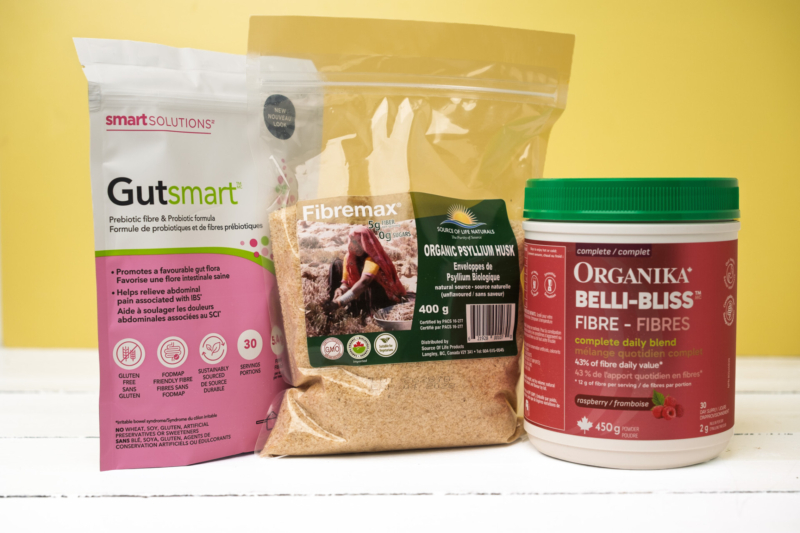
Smart Solutions GutSmart, Organika Belli-Bliss Fibre, Source of Life Psyllium Husk Fibre
If probiotics are the seeds, fibre is the fertilizer. Specifically, prebiotic fibres are the preferred food source for many beneficial bacteria already living in the gut.
Prebiotic fibres, found in foods such as onions, garlic, leeks, asparagus, artichokes, oats, and legumes, pass through the small intestine largely undigested and become fuel for beneficial microbes in the colon. As these bacteria ferment prebiotic fibres, they produce SCFAs. As mentioned before, SCFAs help nourish the intestinal lining, support the gut barrier, and promote a healthy gut environment.
A lack of dietary fibre, particularly prebiotic fibre, can starve beneficial microbes and reduce the production of these important compounds. Regularly including a variety of fibre-rich plant foods in your diet helps create a more diverse, resilient microbiome that is better equipped to support digestive, metabolic, and immune health.
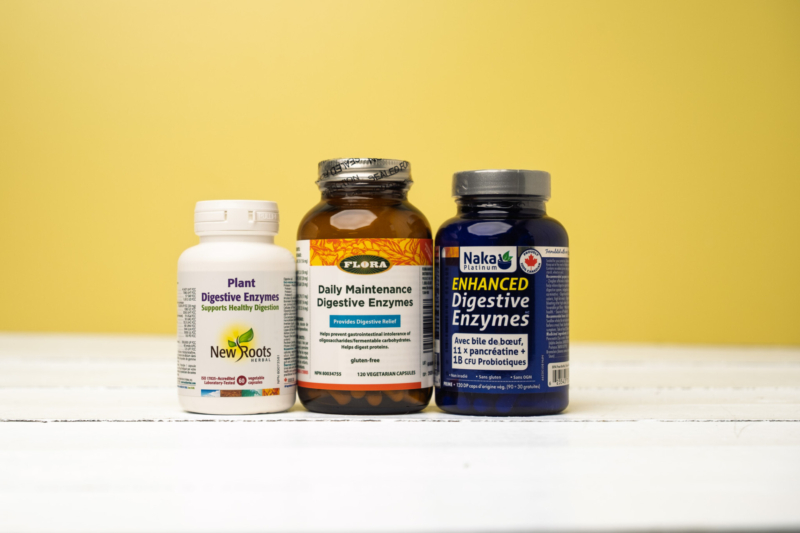
New Roots Plant Digestive Enzymes, Flora Enzymes Daily Maintenance, Naka Enhance Digestive Enzyme
Enzymes help break down proteins, fats, and carbohydrates into smaller molecules that can be more easily absorbed by the body. When food is digested efficiently, the digestive tract experiences less stress, and there is less opportunity for undigested food to contribute to excess gas, bloating, and digestive discomfort.
By improving digestion and nutrient absorption, enzymes help create a more favourable environment for beneficial bacteria. Rather than competing with the microbiome, digestive enzymes work alongside it, promoting digestive efficiency while allowing beneficial microbes to focus on fermenting prebiotic fibres and producing health-supporting compounds.
Factors such as aging, stress, digestive disorders, low stomach acid, or simply eating large or difficult-to-digest meals can reduce digestive efficiency. In these situations, some people may find digestive enzyme supplements helpful.

NutraSea Omega-3 Lemon 200ml + Kids 500mg Gummies + Plant Algae Mint 30c
Omega-3 fatty acids may be one of the most underrated tools for gut health. Research suggests that omega-3s help promote microbial diversity, a hallmark of a resilient and healthy microbiome. Studies have shown that higher omega-3 intake is associated with greater abundance of beneficial bacteria, including species that produce SCFAs.
Omega-3s also help strengthen the gut lining. A healthy barrier allows nutrients to pass into the bloodstream while helping to keep unwanted microbes, toxins, and inflammatory compounds where they belong. By supporting barrier integrity and helping regulate inflammatory signalling, omega-3s create conditions that favour beneficial microbes and discourage the overgrowth of less desirable organisms.

Botanica Ashwagandha + Holy Basil, Living Alchemy Stress Less, Natural Factors 5-HTP
Stress doesn’t just affect your mood. It can directly influence the composition of the gut microbiome.
Psychological stress alters the nervous system, immune function, and hormone production, all of which can affect which microbes thrive in the gut. Chronic stress has been associated with reduced microbial diversity, increased inflammation, and disruption of the gut barrier. Stress-management practices such as physical activity, meditation, adequate sleep, spending time outdoors, and meaningful social connections support healthy stress levels. Adaptogens such as ashwagandha and holy basil, as well as mood-supportive supplements like 5-HTP, can also help promote a healthy stress response, supporting the gut-brain axis and creating a more favourable environment for a healthy microbiome.
In addition to probiotics, fibre, enzymes, omega-3s, and stress management, several other habits can promote a healthier microbiome:
Claims that probiotics are useless are based on an overly simplistic understanding of how they work. Probiotics do not have to become permanent residents of your gut to be beneficial. When paired with practices that support a healthy gut, they can influence the local environment, produce health-promoting compounds such as lactic acid and SCFAs, communicate with the immune system, and support the health of your existing microbiome.

For more support, stop by your Wellness Department and speak with our knowledgeable team.

 Holiday Pumpkin Pie