Food for Thought
Brain food for students
Brain food for students

written by
Brooke Whitman-Roberts
Wellness Manager
As students head back to the classroom, many parents and students are focused on school supplies and schedules. However, one of the most powerful tools for success often receives less attention: nutrition. From elementary school students learning foundational skills to university students navigating demanding coursework, the brain relies on a steady supply of nutrients to support concentration, memory, energy, and emotional well-being.
While there is no single “superfood” for academic success, a balanced approach that includes adequate protein, hydration and essential brain-supporting nutrients such as omega-3 fats, iron, and B vitamins, as well a diet rich in nutrient-dense whole foods can make a meaningful difference. It is also important to consider stress management and getting quality sleep, which are critical for learning, memory consolidation, and overall health.
Jump to:
Protein | Hydration | Key nutrients | Beyond the basics | Rest and recovery
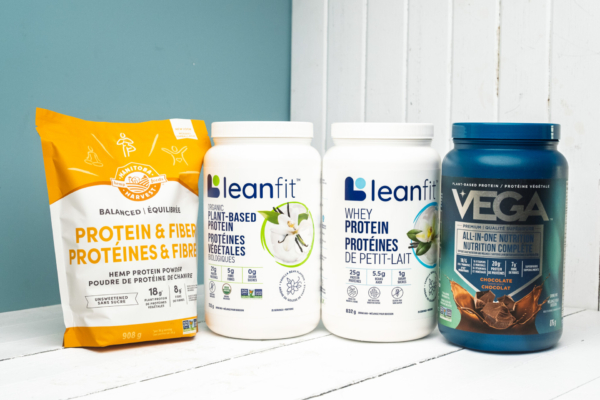
(Vega All-in-One Chocolate, Leanfit Plant-Based Protein Vanilla + Whey Protein Vanilla, Hemp Yeah! Balanced Protein)
A protein-rich, nutrient-dense breakfast is one of the most effective ways to support a student’s brain throughout the school day. Unlike breakfasts that are high in refined carbohydrates and added sugars, protein helps stabilize blood sugar levels, reducing the rapid spikes and crashes that can contribute to mid-morning fatigue, difficulty concentrating, irritability, and hyperactivity in some children. Protein supplies the amino acids that serve as the building blocks for neurotransmitters, the chemical messengers that allow brain cells to communicate. Protein is also essential for the daily maintenance, growth, and repair of neurons and their receptors, supporting the structure and function of the nervous system itself. Certain amino acids found in protein are particularly important for cognitive performance. Tyrosine is used to produce dopamine and norepinephrine, neurotransmitters involved in attention, motivation, alertness, and working memory. Tryptophan, another important amino acid, is a precursor to serotonin and melatonin, helping regulate mood, manage stress and anxiety, and support healthy sleep patterns. Including quality protein sources such as eggs, Greek yogurt, cottage cheese, protein smoothies, nuts and seeds, tofu, or lean meats at breakfast can help students start the day with sustained energy and the nutritional foundation their brains need to learn, adapt, and thrive.

(LeanFit Electrolyte Mix, BioSteel Hydration Mix Powder Rainbow + BioSteel Drinks Peach and Blue Raspberry)
The brain is approximately 75% water and depends on proper hydration to function efficiently. Electrolytes such as sodium, potassium, magnesium, calcium, and chloride play a critical role in maintaining fluid balance within and around cells, helping water move where it is needed most. Even mild dehydration can impair attention, memory, processing speed, and mood, making hydration an often-overlooked factor in academic performance. While drinking enough water is important, electrolytes help ensure that hydration reaches the body’s tissues and cells, including the brain.
Beyond hydration, electrolytes are essential for the generation and transmission of electrical signals throughout the nervous system. Every thought, memory, movement, and sensation relies on tiny electrical impulses created by the movement of charged minerals across the membranes of nerve cells. Sodium and potassium work together to generate action potentials, the electrical signals that allow neurons to communicate, while calcium triggers the release of neurotransmitters that transmit messages from one neuron to the next. Magnesium serves as a key regulator, helping maintain healthy nerve signalling while supporting focus, stress resilience, and cognitive function. Without adequate electrolytes, the brain’s communication network becomes less efficient, potentially contributing to fatigue, poor concentration, headaches, mental fog, and reduced cognitive performance. For students balancing busy schedules, physical activity, and the demands of learning, maintaining proper hydration and electrolyte balance can provide sustained mental clarity and focus throughout the day.

(Nordic Naturals Children’s DHA Gummies + Cod Liver Oil 90’s + Cod Liver Oil 237ml)
Omega-3 fats, particularly DHA, are a major structural component of brain cell membranes. They help neurons remain flexible and communicate efficiently, supporting learning, memory, and information processing. Research also suggests omega-3s may increase grey matter volume and help reduce inflammation in the brain, creating an environment that supports optimal cognitive function. Fatty fish such as salmon, sardines, and trout are among the richest sources.

(Big Friends Multi-Vitamin, CanPrev D3&K2 120c)
Vitamin K is best known for its role in bone health, but it also contributes to the production of specialized fats that form part of brain cell membranes. These fats help maintain healthy communication between neurons. Emerging research suggests vitamin K may also support spatial memory and learning, making it an often-overlooked nutrient for cognitive health. Leafy green vegetables are the richest dietary sources.

(CanPrev Magnesium Juicy Berry, Big Friends Magnesium Citrate, Naka Magnesium Bisglycinate 150c)
On top of its benefits as an electrolyte, magnesium may help protect the brain from the effects of chronic stress by regulating stress hormones and calming overexcited nerve cells. It also plays an important role in synaptic plasticity, the brain’s ability to form new connections and adapt to new information. For students facing academic demands and busy schedules, magnesium supports both learning capacity and stress resilience.

(Big Friends Iron, CanPrev Iron Bisglycinate 25mg, MegaFood Blood Builder 30t)
Iron is responsible for transporting oxygen throughout the body, including directly to brain tissue. Because the brain has high energy demands, low iron levels can lead to fatigue, poor concentration, reduced memory, and brain fog. Iron deficiency is surprisingly common among children and female adolescents, making adequate intake especially important during the school years. Lean red meat is the best source of highly absorbable heme iron while lentils, beans, spinach and fortified grains are great non-heme sources.

(Big Friends Multi-Vitamin, CanPrev B Complex Liquid, MegaFood Balanced B Complex)
B vitamins work together to convert food into ATP, the cellular energy that powers every brain cell. Vitamins B1, B2, B3, and B5 help fuel mental stamina, supporting attention and alertness during long school days, lectures, and study sessions.
Vitamin B6 plays a key role in neurotransmitter production, helping create dopamine for focus and motivation, serotonin for mood, and GABA for emotional balance. Meanwhile, folate (B9) and vitamin B12 support healthy nerve function and help regulate homocysteine, an amino acid linked to brain fog, neurological fatigue, and cognitive decline when elevated. Because the body does not store most B vitamins, you need to eat them every day. Great sources of B vitamins include lean meats, fish, dairy, leafy greens, beans, and whole grains.

(Preferred Nutrition Kids Vitamin D Gummies, Prairie Naturals Vitamin D 1000IU 500C, Preferred Nutrition Adult Vitamin D Gummies 2500IU)
Vitamin D may act as a neuroprotective nutrient, helping reduce inflammation, clear cellular waste, and protect brain cells from damage. It also supports neuroplasticity by stimulating neurotrophins, proteins that promote the growth and maintenance of healthy neurons.
In addition, vitamin D helps regulate serotonin production by supporting the conversion of tryptophan into this important mood-regulating neurotransmitter. This connection may influence emotional stability, stress resilience, motivation, and school-related anxiety. The best natural source of vitamin D is sunlight exposure on the skin. Fatty fish, egg yolks and fortified foods like milks, cereals and orange juice are good dietary sources.

(Genuine Health Greens Original 208g, Purana Lion’s Mane, St. Francis Gingko Complete)
While foundational nutrients should be the primary focus, several additional nutrients and botanicals may provide extra support for cognitive performance. Antioxidants found in colourful fruits and vegetables help protect brain cells from oxidative stress generated by the brain’s high metabolic activity. Choline, found in foods such as eggs, is used to produce acetylcholine, a neurotransmitter essential for memory, learning, and attention, while also helping maintain the structural integrity of brain cell membranes. Together, these nutrients support both the protection and communication of the brain’s vast neural network.
Certain botanicals have also gained attention for their potential cognitive benefits. Lion’s Mane mushroom may support neuroplasticity by stimulating compounds involved in the growth and maintenance of healthy neurons, while Panax ginseng has been studied for its ability to enhance mental energy, focus, and resilience during periods of high cognitive demand. Ginkgo biloba may support healthy blood flow to the brain, helping deliver oxygen and nutrients to brain tissue while providing antioxidant protection. Although these natural compounds are not substitutes for a nutrient-rich diet, adequate sleep, and healthy lifestyle habits, they may offer additional support for students looking to optimize focus, memory, and mental performance.

(Preferred Nutrition Melatonin Gummies 2.5mg, Bach Rescue Remedy Pastilles, CanPrev Adrenal Pro + L-theanine + GABA)
Nutrition provides the building blocks for a healthy brain, but sleep and stress management determine how effectively those resources are used. During sleep, the brain consolidates new information, strengthens neural connections involved in learning, and transfers memories from short-term storage into long-term memory. Sleep also allows the brain to clear metabolic waste products that accumulate throughout the day, helping maintain cognitive performance, focus, emotional regulation, and mental resilience. Students who consistently get adequate, high-quality sleep tend to demonstrate better attention, problem-solving ability, memory retention, and academic performance than those who are sleep deprived.
One of the most important regulators of sleep is melatonin, the hormone that helps control the body’s circadian rhythm. Healthy melatonin production begins with exposure to natural light during the day, particularly within the first hour after waking. Morning sunlight signals the brain to suppress melatonin, increase alertness, and establish a healthy biological clock that supports energy during the day and sleepiness at night. Conversely, exposure to bright screens and blue light in the evening can suppress melatonin production and delay sleep onset. Encouraging students to seek morning sunlight, maintain consistent sleep schedules, and reduce screen exposure before bed can significantly improve both sleep quality and daytime cognitive performance.
Chronic stress can be equally disruptive to learning and memory. Elevated stress hormones can impair concentration, reduce mental flexibility, interfere with memory formation, impact sleep, and increase feelings of anxiety and overwhelm. Ashwagandha is an adaptogenic herb that may help regulate cortisol levels and promote resilience during periods of academic pressure. Rhodiola rosea is another adaptogen that has been studied for its ability to reduce mental fatigue and support focus during stressful periods. L-theanine, a naturally occurring amino acid found in tea, promotes a state of calm alertness that can support concentration without causing drowsiness. GABA is an important calming neurotransmitter that helps quiet excessive neural activity and promote relaxation, and GABA supplements are traditionally used to support this same sense of calm, while L-tyrosine may help replenish the neurotransmitters dopamine and norepinephrine during times of stress, supporting focus, mental performance, and cognitive endurance. Some students may also benefit from gentle stress-management tools such as Rescue Remedy, a blend of Bach flower essences traditionally used to promote a sense of calm during periods of emotional stress, nervousness, or situational anxiety.
Ultimately, even the most nutrient-dense diet cannot fully compensate for poor sleep or chronic stress. Students thrive when nutrition, sleep, stress management, physical activity, and healthy daily routines work together to create an environment where the brain can learn, adapt, and perform at its best.
Students don’t need to implement every strategy discussed in this article to experience benefits. Start with one change, whether that’s eating a protein-rich breakfast, improving hydration, prioritizing sleep, or adding a key nutrient, and build from there. Small, consistent habits often lead to the biggest improvements in focus, energy, learning, and overall well-being over time.

For more support, stop by your Wellness Department and speak with our knowledgeable team.