How & When To Use Electrolytes
SETTING THE RECORD STRAIGHT
SETTING THE RECORD STRAIGHT

written by
Brooke Whitman-Roberts
Wellness Manager
Internet wellness culture loves an all-or-nothing debate. Right now, social media is flooded with wellness influencers calling commercial electrolyte supplements the “biggest scam in wellness”. They argue that if you eat a balanced diet and sit at a desk all day, you are just mixing expensive, glorified salt into your water.
They aren’t entirely wrong, but context is everything. Here in our mountain community, we have all types of people trail running alpine ridges, touring to snow peaks in the winter, and logging high-mileage hikes with packs on their backs. There are even situations where a less active person might want to consume an electrolyte supplement.
Let’s look at the actual science of hydration, discovering when certain mixes would be used and why and build formulas that fit your actual activity level.
Electrolytes can benefit a wide range of people. Even sedentary individuals may benefit, especially if they drink large amounts of water, have low dietary mineral intake, or are recovering from illness, as small amounts of electrolytes can support proper hydration and prevent dilution of sodium levels. People aiming to increase their mineral intake (such as sodium, potassium, or magnesium) may also find electrolyte drinks useful when diet alone falls short. For athletes and active individuals, the need becomes more pronounced: light exercisers may use them to maintain hydration and energy, while endurance athletes or heavy sweaters rely on electrolytes to replace significant losses through sweat, improve fluid retention, and reduce the risk of fatigue, cramping, and hyponatremia (low sodium).
Electrolytes are minerals that carry an electric charge. They control nerve signaling, muscle contraction, and fluid balance.
Tonicity is the measure of how concentrated a drink is compared to your blood. In plain terms, it tells you how easily water can move from your drink into your body.
Tonicity matters because it determines how quickly and effectively your body can absorb the fluids you drink. Your body doesn’t just pass water straight into your bloodstream, it moves water across your gut based on concentration. When a drink is too concentrated in minerals or sugar (hypertonic), it can slow absorption or even draw water into your digestive system instead of into your cells. On the other hand, drinks that are more diluted (hypotonic) allow water to move into the body quickly and efficiently. This is why many well-formulated electrolyte mixes, especially those low in sugar, are designed to be lighter rather than stronger: they prioritize absorption over intensity. At the end of the day, the most effective hydration isn’t about how much you drink, it’s about how well your body can use it.
Hypotonic (best for hydration)
Isotonic (middle ground)
Hypertonic (not ideal for hydration)
Note: Chloride may not always be labelled on your electrolyte supplement but will come attached to the sodium and/or potassium depending on the formula
Mix into 500ml of water for a hypotonic solution. Add more sodium and some form of sugar (if product is sugar-free) for an isotonic solution.
Products at your Kootenay Co-op: Anderson’s Elete Electrolyte, Organika Regular Strength Electrolytes, Nuun Hydration, BioSteel Electrolyte Powders + Drinks, Naka Electrolytes + Energy
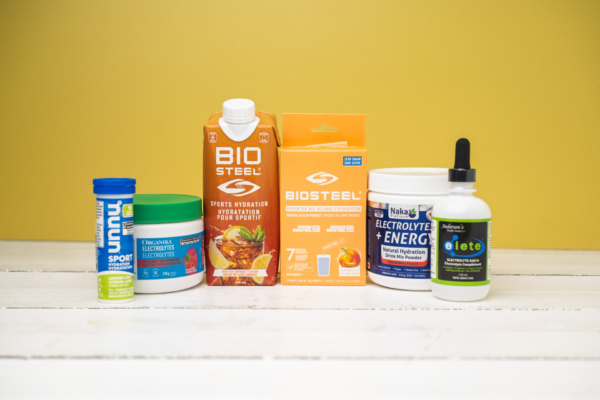
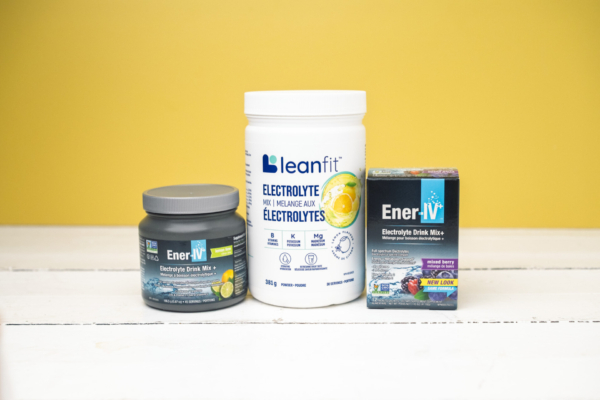
Mix into 500ml for a hypotonic solution. Higher sodium formulas may be slightly isotonic but more salt and sugar (if product is sugar-free) may need to be added for endurance activities.
Products at your Kootenay Co-op: LeanFit Electrolyte Mix, Ener-IV Electrolyte
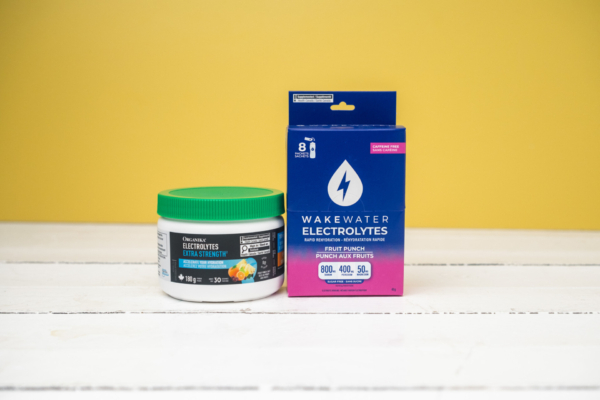
To avoid making a hypertonic solution mix in 750ml-1L water for a hypotonic to isotonic solution. If no carbohydrate food is being consumed it is important to add sugar (if product is sugar-free).
Products at your Kootenay Co-op: Organika Extra Strength Electrolytes, Wake Water Electrolytes
A common myth is that a “clean” electrolyte drink must always be completely sugar-free. This ignores a fundamental piece of human biology: The Sodium-Glucose Cotransporter (SGLT1).
In your small intestine, the SGLT1 protein carrier acts like a fast-pass lane for hydration. It grabs one molecule of glucose and two ions of sodium simultaneously and forces water to rush across the intestinal wall far faster than plain water ever could.
Hydration isn’t just how much you drink, it’s also when and how fast. The “right” strategy depends heavily on activity level and whether you’re drinking plain water, hypotonic fluids or isotonic fluids.
For a sedentary person, hydration works best when intake is spread steadily throughout the day rather than consumed all at once. Plain water or hypotonic fluids can be sipped in amounts of roughly 150–250 mL every 30 to 60 minutes, such as upon waking, between meals, and alongside food. Drinking too quickly, especially large volumes over 500 mL, can lead to unnecessary urination and less effective hydration. Electrolyte or highly mineralized drinks are generally unnecessary here unless recovering from dehydration or supporting a diet lacking in minerals and if used should be consumed slowly in small amounts.
For a light to moderately active person who is sweating during activities such as brisk walking or light/short workouts hydration should be slightly more structured. Begin with about 250–500 mL of fluid in the 1–2 hours before activity, choosing plain water, hypotonic fluids, or an isotonic drink if you want a small energy boost. During activity, aim to sip roughly 100–200 mL every 15–20 minutes rather than drinking large amounts at once, as steady intake improves absorption and prevents stomach discomfort. If sweating is noticeable, isotonic fluids can be helpful because they replace small electrolyte losses and support fluid retention better than plain water. Highly mineralized solutions are usually unnecessary at this level. After activity, replace lost fluids gradually by consuming about 250–500 mL over the next hour.
For endurance exercise or situations involving heavy sweating such as long runs, cycling, or training in heat hydration needs to be proactive, structured, and continuous to keep pace with significant fluid and sodium losses. Start by drinking about 400–600 mL of fluid 1–2 hours before activity, ideally including some electrolytes if you know you sweat heavily. During exercise aim to consume roughly 150–250 mL every 10–15 minutes, adjusting slightly based on your sweat rate but generally staying within about 0.8–1.2 liters per hour. Isotonic fluids are the most effective choice here because they balance fluid, sodium, and carbohydrate delivery, supporting both hydration and energy needs while improving absorption. Hypotonic fluids can also work but may need sodium added over longer durations. If using a highly mineralized solution mixed into 750 mL to 1 liter of water to keep the concentration moderate; overly strong mixtures can cause digestive discomfort. After exercise, continue rehydrating gradually over several hours, ideally including both sodium-containing fluids and foods.
For more support, stop by your Wellness Department and speak with our knowledgeable team.


 July Organization of the Month: Safe Kids & Youth Coordinated Response